
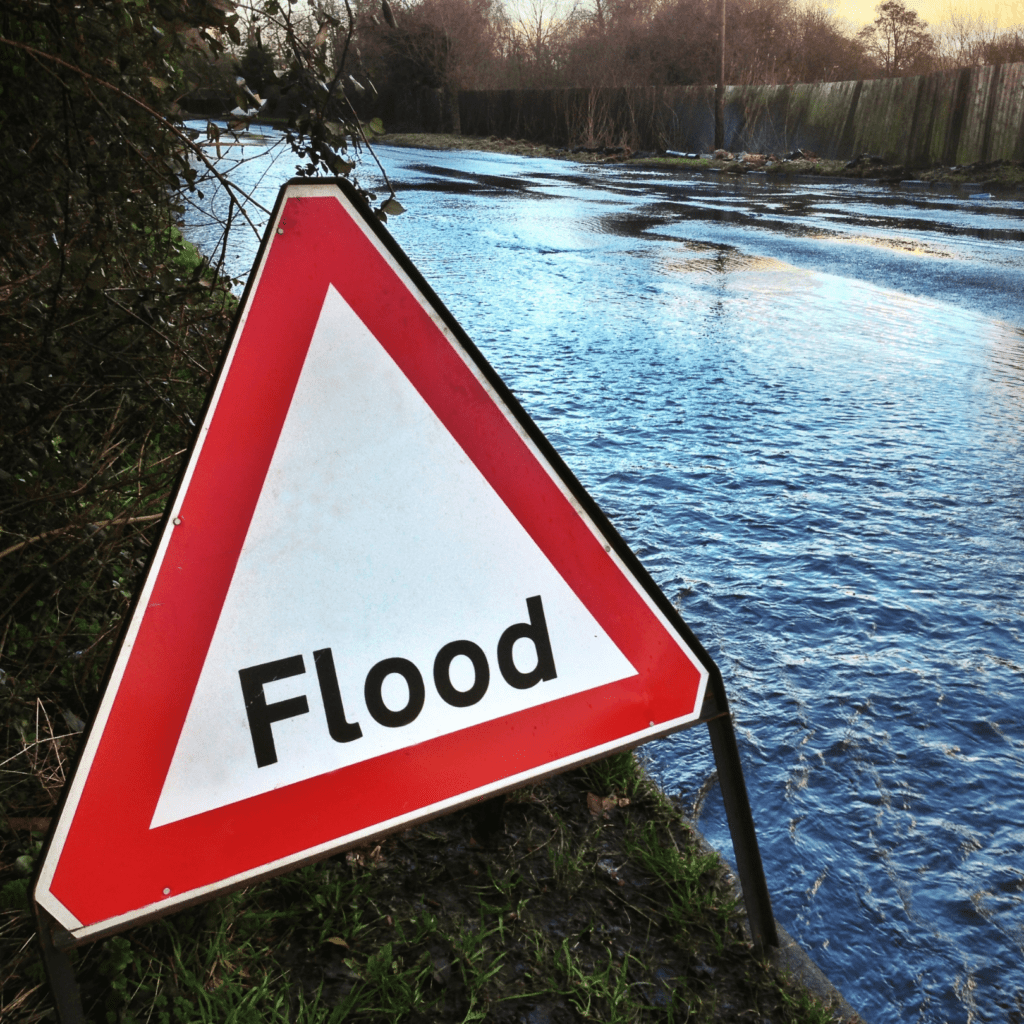
Flooding is one of the most common and costly natural hazards. Whether triggered by heavy rain, storm surge, or blocked drains, floods can arrive quickly and with devastating impact. But with the right preparation, you can protect your home, reduce damage, and stay safe.
Here’s what you need to know — and do — before, during, and after a flood.
Before a Flood: Prepare in Advance
Know Your Risk
- Check if your property is in a flood-prone area using your local council’s flood maps
- Understand local flood alert systems and subscribe to notifications
- Learn evacuation routes and the location of higher ground
Get Your Home Ready
- Keep gutters and drains clear to prevent water build-up
- Move valuables and important documents above potential water levels
- Install sandbags or barriers if flooding is expected
- Raise appliances and electrical equipment if possible
Create a Household Emergency Plan
- Decide where to go if you need to evacuate
- Plan for pets, elderly relatives, or anyone with special needs
- Ensure everyone in your home knows how to switch off power, gas, and water
Build an Emergency Kit
- Include food, water, torches, batteries, a first aid kit, essential medications, radio, hygiene items, and clothing
- Add waterproof bags for documents and electronics
- Don’t forget supplies for pets and infants
During a Flood: Stay Safe
Stay Informed
- Monitor updates from Civil Defence, MetService, or emergency authorities
- Use a battery-powered or wind-up radio if power or internet fails
Avoid Risky Areas
- Never walk or drive through floodwaters — even shallow water can sweep you off your feet or hide hazards
- Stay clear of streams, rivers, and drains
- Move to higher ground or the highest level of your home if needed
Follow Official Instructions
- If asked to evacuate, do so immediately and take your emergency kit
- Turn off power if water is rising inside your home and it is safe to do so
After a Flood: Return with Caution
Safety First
- Don’t return home until authorities say it’s safe
- Be cautious of structural damage, contamination, and electrical hazards
- Avoid floodwater — it may contain sewage, debris, or chemicals
Clean Up Carefully
- Wear gloves and protective gear
- Disinfect surfaces and throw out contaminated food