
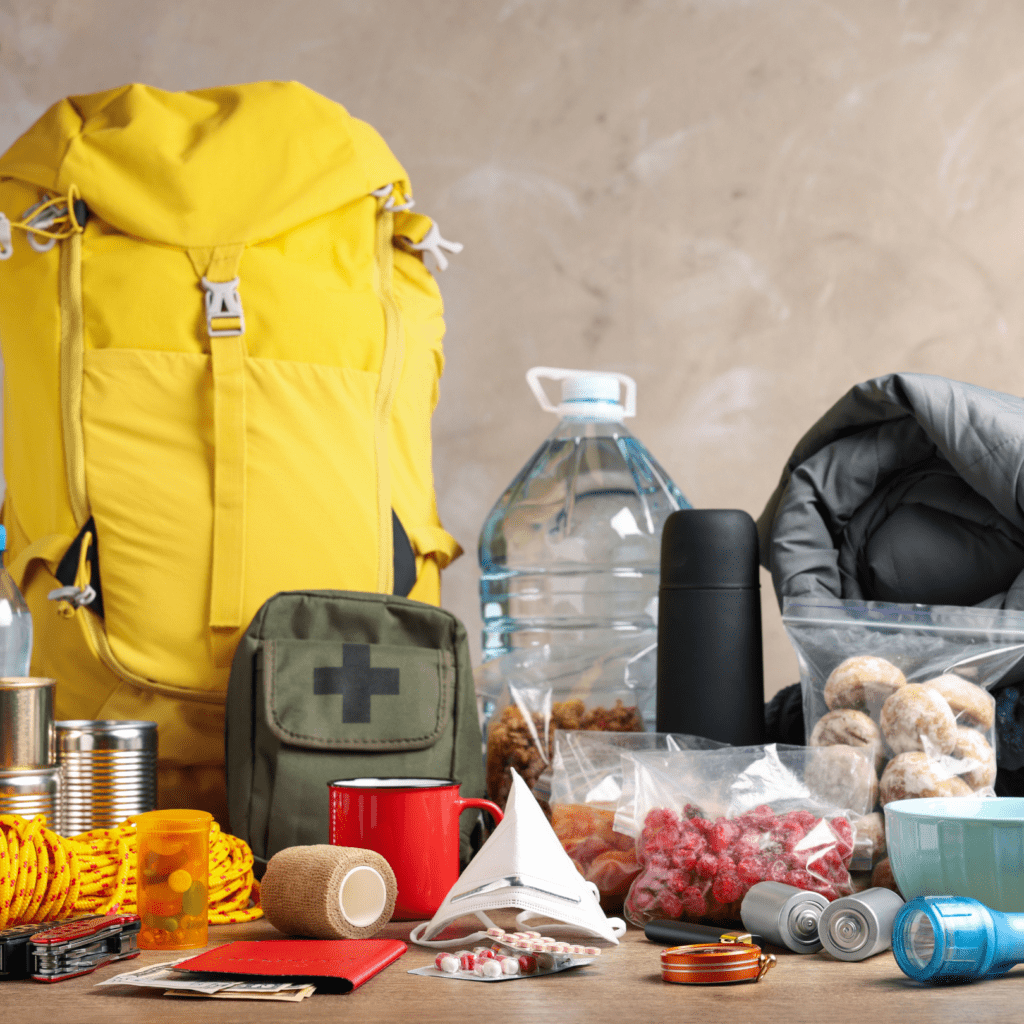
When disaster strikes, it’s often too late to start preparing. After recent events — like Cyclone Gabrielle — we’ve seen how quickly basic services can disappear. Clean water, electricity, mobile coverage, and access to food can all be disrupted in an instant.
The truth is, most homes aren’t as ready as we think. Here’s how to get started — and why it matters.
Start with the Basics: The First 72 Hours Matter Most
In an emergency, you and your whānau may need to rely on what’s already in your home for at least three days. That’s why the following essentials are key:
1. Water
Aim for 9 litres per person to last three days — for drinking, cooking, and basic hygiene.
- Store water in clean, sealable containers
- Treat water if you’re unsure about its source
- Rotate stored water every 6–12 months
2. Food
Stock up on non-perishable, easy-to-prepare items.
- Tinned food, dry goods, and long-life meals are ideal
- Make sure you have a manual can opener
- Choose foods that don’t rely on electricity to prepare
3. Power & Light
When the power’s out, these items keep you connected and safe:
- Torches and lanterns (solar-powered or battery-operated)
- Power banks to charge devices
- A wind-up or battery-powered radio for emergency updates
Why It Matters
When power is down, shops are closed, and phones are dead — what you’ve prepared at home makes all the difference. It’s not about panic. It’s about peace of mind.
Ready? Share the Knowledge
If you’ve already prepared your home, that’s fantastic — but preparedness is a community effort. Check in with neighbours, whānau, and friends. Ask:
- Do they have enough water and food?
- How will they stay warm, informed, and safe?
- Are there children, elderly, or pets to consider?
Prepared communities are resilient communities.
Take the First Step Today
Being ready doesn’t have to be complicated. Start with the essentials. Build from there. And most importantly — talk about it.
Because when the unexpected happens, being prepared is one thing you’ll never regret.