
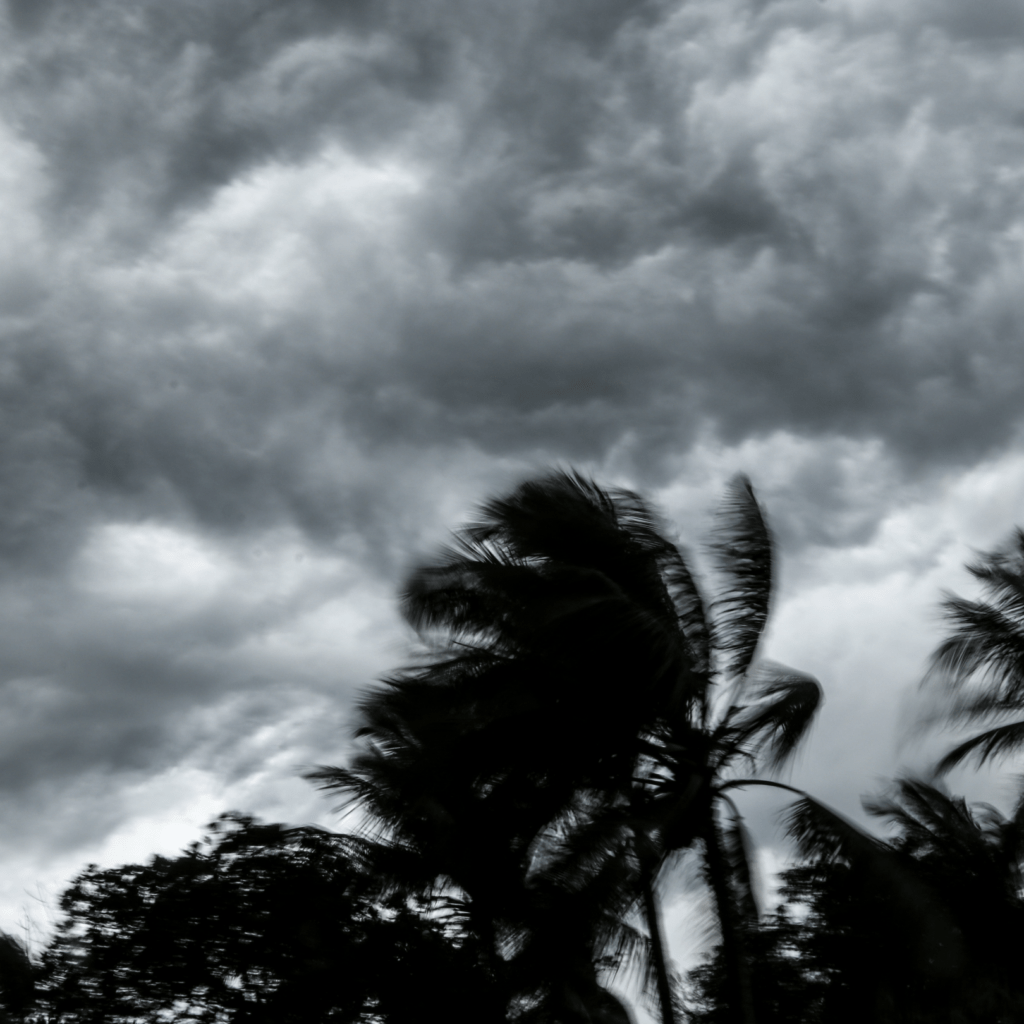
When a cyclone is approaching, preparation is critical. These powerful storms can bring heavy rain, strong winds, flooding, and power outages. Taking the time to get ready can help protect your home, loved ones, and peace of mind.
Here’s a checklist to help you prepare effectively:
1. Stay Informed
Stay up to date with official information from trusted sources such as national weather
services and emergency agencies. Follow your local civil defence or emergency
management group on social media, and keep a battery-powered radio handy in case power
or internet is lost.
2. Secure Your Property
Strong winds can turn everyday objects into dangerous projectiles. Before the cyclone
arrives:
- Bring indoors or tie down outdoor furniture, bins, trampolines, and garden items
- Secure loose items and check that sheds and fences are stable
- Clear gutters and drains to prevent water build-up
- Identify a safe internal space in your home away from windows where you can shelter if needed
3. Prepare for Power Outages
Loss of electricity is common during cyclones. Reduce disruption by:
- Charging phones, power banks, radios, and torches
- Stocking up on spare batteries
- Preparing alternative ways to cook, such as a BBQ or camp stove (ensure proper
ventilation) - Freezing water bottles to keep fridges and freezers cool longer
4. Ensure a Water Supply
Access to clean water may be limited during or after a storm. Consider:
- Filling bathtubs, sinks, and containers in advance
- Bottling drinking water
- Using perishable foods from the fridge or freezer first if power fails
5. Protect Your Vehicle
Park your car in a secure location, away from trees and power lines. If necessary, it can serve as a backup power source or communication tool.
6. Have an Emergency Kit Ready
Your grab bag should include:
- Non-perishable food and drinking water
- Torch, batteries, first aid supplies, radio, and essential medications
- Hygiene products and any necessary items for infants, pets, or those with special needs
- Copies of important documents
7. Document for Insurance
Take photos or video of your home and belongings. This can assist with insurance claims if damage occurs.
8. Shelter Safely
As the storm intensifies:
- Stay indoors and away from windows and glass doors
- Do not venture outside during sudden calms—it may be the eye of the storm
- Shelter in a secure interior room and remain alert until authorities confirm it’s safe
Cyclones are serious weather events, but with practical preparation, you can minimise risks and keep your household safe. Share this guide with others, and stay safe out there.