
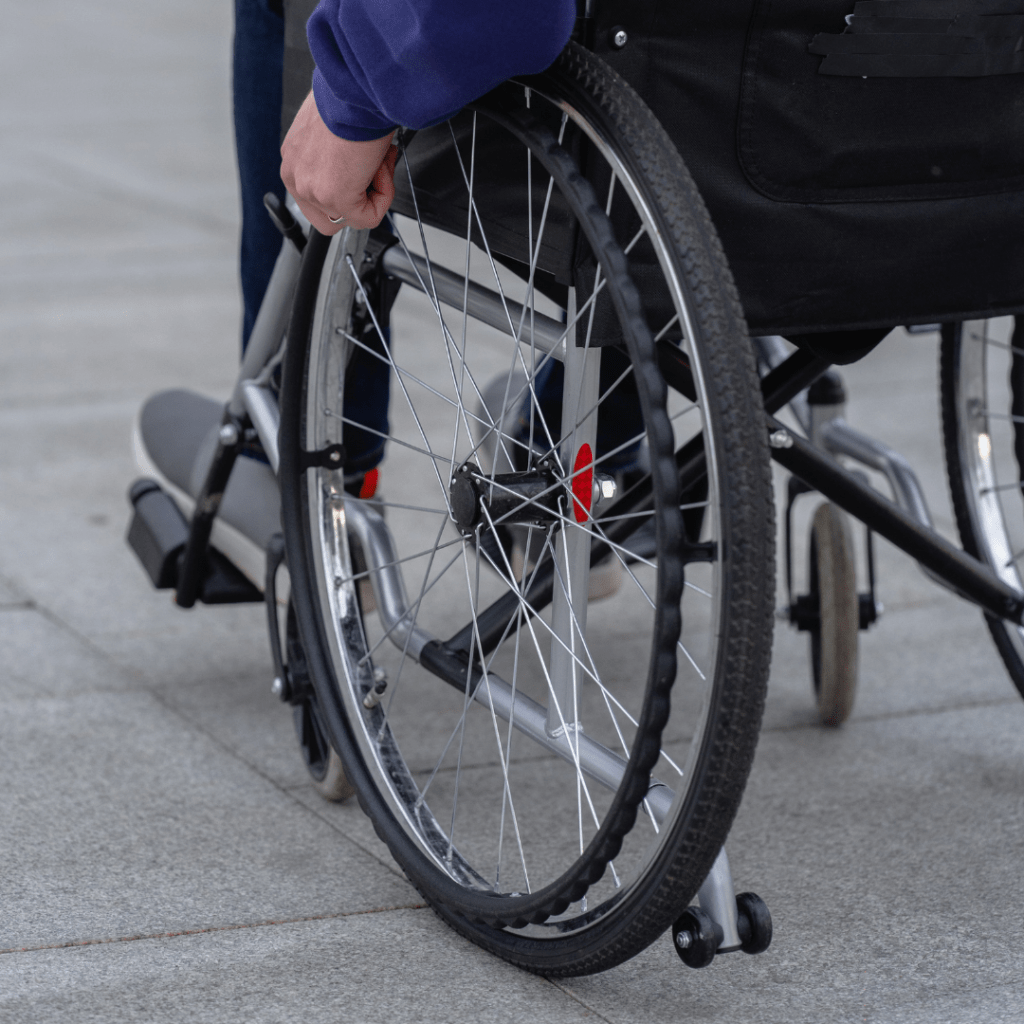
In a disaster, some members of our communities may face extra challenges — including people with disabilities, older adults, children, and those with chronic health conditions or mobility limitations.
Being prepared means thinking beyond the basics and ensuring that everyone, regardless of their needs, can stay safe, connected, and supported during an emergency.
Here’s how to plan ahead — whether for yourself, your whānau, or someone in your care.
1. Tailor the Emergency Plan to Individual Needs
Start with a personal emergency plan that considers:
- Mobility: Can the person evacuate independently or do they need assistance?
- Medical Needs: What medications, equipment, or regular care is required?
- Sensory or Cognitive Challenges: Are there communication tools or routines that need to be maintained?
- Carer Support: What is the back-up plan if caregivers are unavailable?
Keep a written copy of the plan in your grab bag, and share it with neighbours, carers, or support networks.
2. Build a Personalised Emergency Kit
In addition to standard supplies like food, water, and lighting, include:
- Copies of medical information and prescriptions
- Spare medications, hearing aid batteries, glasses, or mobility aids
- Comfort items such as familiar objects or sensory tools
- Communication aids — visual cards, apps, or support letters explaining needs
Label all essential items clearly, and keep them in waterproof containers.
3. Plan for Power and Equipment Needs
Many people rely on powered devices like oxygen machines, mobility scooters, or electric beds.
- Talk to your healthcare provider about emergency power options
- Keep batteries charged and explore portable or manual alternatives where possible
- Notify your power company of your medical needs — some offer priority reconnection
4. Build a Support Network
Resilience is stronger when shared:
- Connect with neighbours or local support groups
- Identify at least two people who can check in and provide help if needed
- If you receive home-based care, ensure your provider has an emergency continuity plan
Consider community groups, marae, or faith-based organisations as sources of support during extended disruptions.
5. Practice and Communicate the Plan
Drills and regular reviews are essential:
- Practice evacuation routes and using emergency equipment
- Update your plan as health needs or living situations change
- Use plain, accessible language when explaining the plan
For children or those with cognitive disabilities, using visual guides or role-playing scenarios can be effective.
Everyone Deserves to Feel Safe in an Emergency
Preparedness isn’t one-size-fits-all — and that’s okay. With empathy, planning, and the right tools, we can ensure that people with additional needs are included, supported, and empowered when emergencies happen.
If you’re supporting someone vulnerable, ask: What do they need to stay safe, calm, and independent for at least 72 hours? Then build the plan from there.